

Introduction
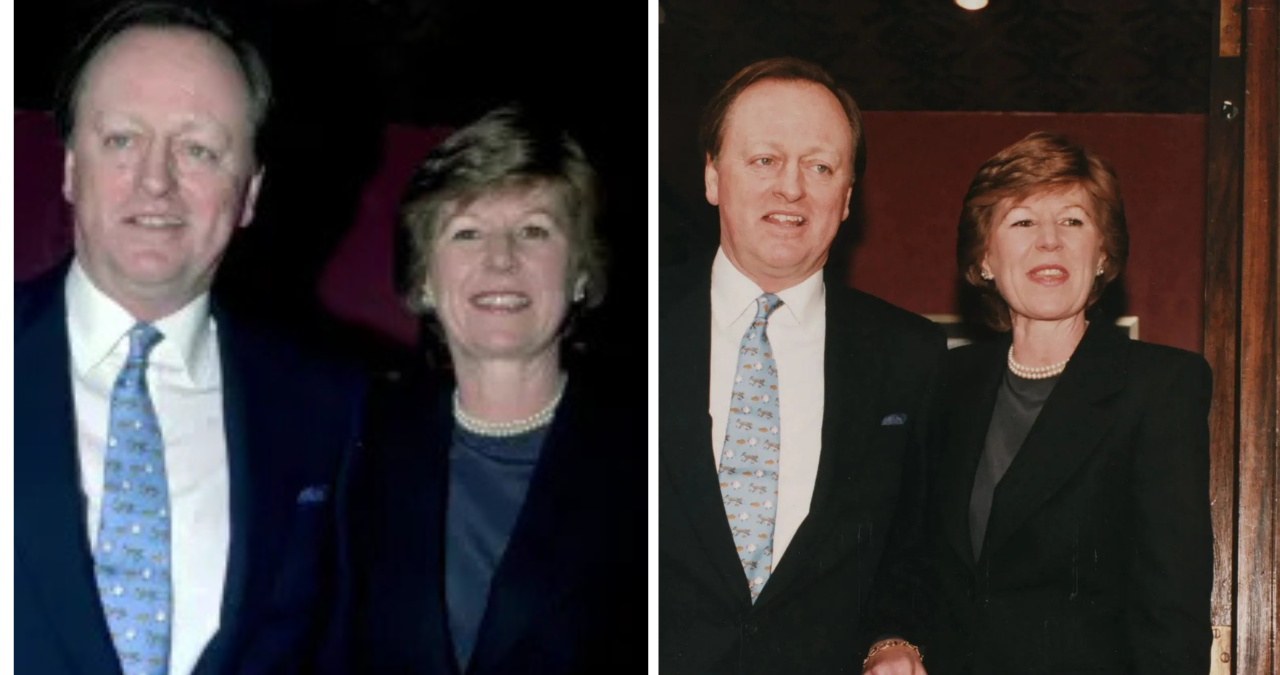
Rosemary Pitman remains a relatively lesser-known yet intriguing figure connected to British aristocratic and royal-adjacent circles. Often searched online due to her marriage to Andrew Parker Bowles, she lived a life that blended privilege, personal achievement, and quiet dignity. Despite her connections to high-profile individuals, including indirect ties to Queen Camilla, Rosemary maintained a low public profile, focusing instead on her family, career, and personal passions.
This comprehensive article explores Rosemary Pitman’s life in full—from her early upbringing and family background to her professional career, marriages, social connections, and lasting legacy.
Early Life and Background
Rosemary Pitman was born as Rosemary Alice Dickinson on June 17, 1940, in Northumberland, England. She grew up in a well-established British family, Rosemary Pitman surrounded by the values and traditions typical of upper-middle-class society during the mid-20th century. Her upbringing was rooted in stability, discipline, and cultural refinement.
Her father, Robert Dickinson, was a notable individual known for both his professional and athletic achievements. He represented Britain in athletics, Rosemary Pitman reflecting a family culture that valued excellence and discipline. Her mother also came from a respectable background, ensuring Rosemary was raised in a socially connected and culturally aware environment.
Growing up in rural England, Rosemary developed an early appreciation for nature, landscapes, and outdoor life. This connection to the countryside Rosemary Pitman would later influence her professional path as a garden designer.
Education and Personal Development
Rosemary received her education at prestigious institutions suited to her social standing. Like many young women of her background, she attended Rosemary Pitman a traditional British boarding school where emphasis was placed on etiquette, arts, and cultural awareness.
Her education was not solely academic; it also shaped her aesthetic sensibilities and personal discipline. She developed an eye for design, balance, and beauty—skills that would later become central to her career.
During her formative years, Rosemary cultivated interests in gardening, design, and social engagement. These interests were not merely hobbies but evolved into defining aspects of her identity.
First Marriage and Family Life
Before becoming widely known as Rosemary Parker Bowles, she was first married to Lieutenant Colonel John Hugh Pitman. Through this marriage, she adopted the surname Pitman, which remains the most recognized version of her name.
The couple had three sons together, and Rosemary devoted a significant portion of her life to raising her children. Her role as a mother was central to her identity, and she maintained strong family bonds throughout her life.
Her first marriage eventually ended in divorce. Despite this, Rosemary remained deeply connected to her children and continued to prioritize family life. This period of her life reflects resilience and adaptability, as she transitioned from marriage to independence while maintaining her responsibilities as a parent.
Career as a Garden Designer
One of the most defining aspects of Rosemary Pitman’s life was her professional career as a garden designer. Unlike many women in aristocratic circles who focused solely on social roles, Rosemary pursued a creative and independent career.
Garden design in Britain is a respected field that combines artistic creativity with scientific knowledge. It requires an understanding of plants, climate, spatial design, and aesthetic composition. Rosemary excelled in this field, earning recognition for her work.
Her designs were known for their elegance, natural beauty, and harmony with the surrounding environment. She embraced traditional English garden styles while also incorporating innovative elements. Her work often reflected a balance between structure and organic growth, creating spaces that felt both refined and welcoming.
Through her career, Rosemary established herself as more than just a social figure. She became a professional with her own identity, respected for her talent and dedication.
Marriage to Andrew Parker Bowles
In 1996, Rosemary Pitman married Andrew Parker Bowles, a retired British Army brigadier. This marriage brought her into closer proximity with the British royal social circle.
Andrew Parker Bowles had previously been married to Queen Camilla, who would later become the wife of King Charles III. This connection placed Rosemary within one of the most closely followed relationship networks in modern British history.
Despite the potential complexities of these relationships, Rosemary’s marriage to Andrew was described as stable and supportive. She became his second wife and companion during the later years of his life.
Life Within Royal-Adjacent Circles
Although Rosemary Pitman was never a member of the royal family, her marriage placed her within its extended social sphere. She attended events, social gatherings, and functions that included prominent figures from British society.
What distinguished Rosemary was her ability to remain private despite these connections. She did not seek media attention or public recognition. Instead, she maintained a quiet presence, focusing on her personal life and relationships.
Reports suggest that she maintained cordial relations with individuals connected to the royal family, including Andrew’s former wife Camilla. This reflects a level of maturity and social grace that was characteristic of her personality.
Personality and Character
Rosemary Pitman was widely regarded as warm, kind, and composed. She was known for her ability to navigate complex social environments with ease and dignity.
Her personality was marked by several key traits:
She was deeply family-oriented, prioritizing her children and loved ones above all else. She demonstrated resilience in the face of personal challenges, including divorce and illness. She maintained a strong sense of independence, pursuing her career and interests with dedication. She valued privacy, choosing to live a life away from public scrutiny.
These qualities contributed to her reputation as a respected and admired individual within her social circles.
Interests and Passions
Beyond her professional work, Rosemary had a wide range of personal interests. Gardening remained her greatest passion, and she spent much of her time cultivating plants and designing outdoor spaces.
She also enjoyed:
Spending time in the countryside
Engaging in social gatherings with close friends
Supporting family events and milestones
Participating in cultural and artistic activities
Her love for nature was particularly evident in her lifestyle, as she preferred environments that allowed her to connect with the outdoors.
Illness and Final Years
In her later years, Rosemary Pitman faced a serious health challenge. She was diagnosed with cancer, which she battled with strength and determination.
Her illness marked a difficult period for her and her family. Despite the challenges, she remained surrounded by loved ones who supported her throughout her final years.
Rosemary passed away on January 10, 2010. Her death was deeply felt by those who knew her, including her husband, children, and extended social circle.
Funeral and Tributes
Rosemary Pitman’s funeral was attended by numerous notable figures, reflecting her respected status within British society. Among those present were individuals connected to the royal family, highlighting the significance of her relationships.
Her passing was marked by tributes that emphasized her kindness, warmth, and dedication to family. She was remembered not for public achievements alone, but for the impact she had on those around her.
Legacy and Historical Significance
Although Rosemary Pitman was not a public figure in the traditional sense, her life holds historical and cultural significance.
She represents a generation of women who balanced traditional roles with personal ambition. Her career as a garden designer demonstrates that women in aristocratic circles could pursue professional identities while maintaining their social responsibilities.
Her life also provides insight into the structure of British elite society. Through her relationships and experiences, we gain a deeper understanding of how social networks, marriages, and personal connections shape this world.
Connection to Modern Interest
Interest in Rosemary Pitman has grown in recent years, particularly due to the popularity of royal-related media and historical dramas. As audiences seek to understand the broader context of figures like Queen Camilla and King Charles III, individuals like Rosemary become subjects of curiosity.
Search trends show that people are increasingly interested in:
Her biography and life story
Her relationship with Andrew Parker Bowles
Her career as a garden designer
Her death and personal struggles
This growing interest reflects a broader fascination with the human stories behind well-known historical narratives.
Conclusion
Rosemary Pitman lived a life defined by grace, resilience, and quiet accomplishment. From her early years as Rosemary Dickinson to her later life as Rosemary Parker Bowles, she navigated personal and social challenges with dignity.
Her legacy is not one of fame, but of meaningful connections and personal achievement. She was a devoted mother, a talented garden designer, and a respected member of her community.
Through her story, we gain insight into a world that often remains hidden behind the headlines—a world of relationships, traditions, and personal journeys that shape history in subtle yet significant ways.
Rosemary Pitman’s life reminds us that influence is not always measured by public recognition. Sometimes, it is found in the lasting impact one leaves on family, friends, and the spaces they create—both in gardens and in life